

Three different permissions get tangled together when people ask “do I need planning permission for a houseboat?”, and the honest answer is that it depends which of three systems your project falls under. Boat licensing is what the navigation authority requires of a vessel on its water. Planning permission is what the local council may require of land, and sometimes of the use of the water itself. Mooring consent is the agreement that lets you keep the boat in one particular place. Most projects need a clear answer on all three, but which one does the heavy lifting comes down to a single question: is your craft realistically navigable, or is it a static floating structure?
This guide explains both routes as they typically work on UK inland waterways, with the current figures where they exist. It is general guidance from a fabricator, not legal advice; rules differ between authorities and change over time, so confirm your specific position with the relevant bodies before committing.
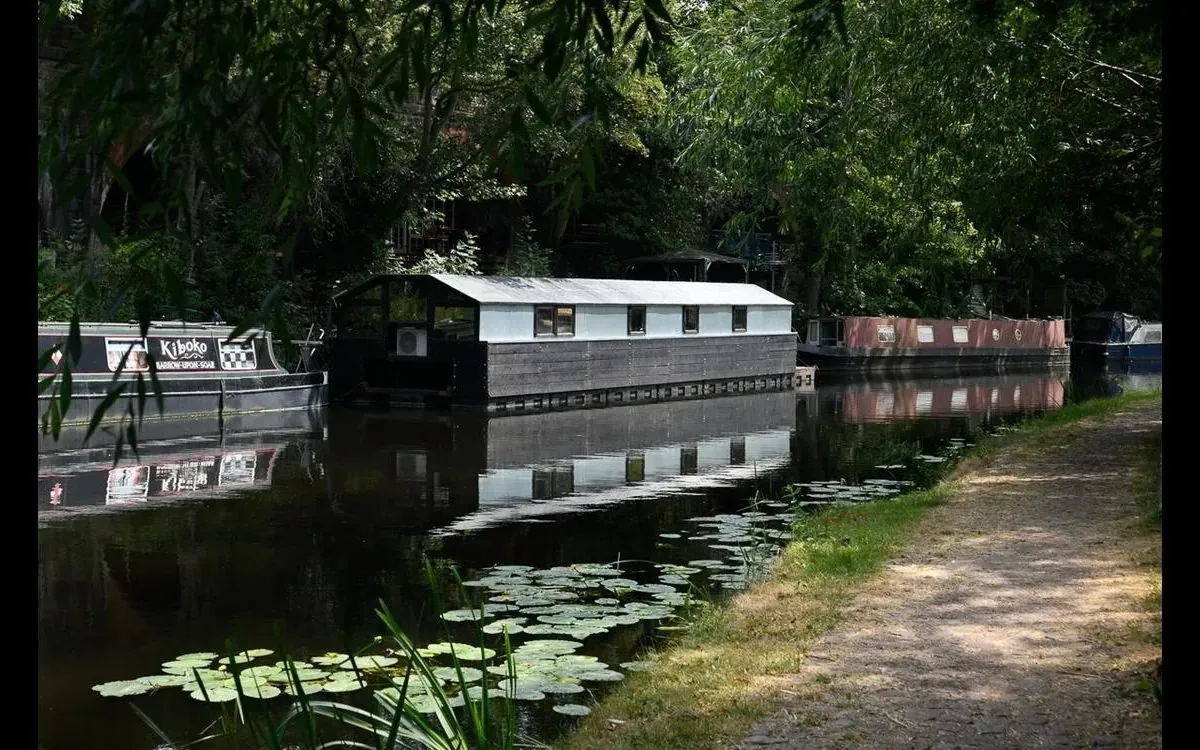
The fork in the road: navigable vessel or static structure?
UK waterway and planning practice treats these very differently:
- A navigable vessel, meaning something powered, steerable and physically capable of using the waterway it sits on (through the local locks and bridges), is licensed as a boat. It carries a boat licence, a Boat Safety Scheme certificate and insurance, and day-to-day it generally does not need planning permission of its own, because using a waterway for navigation is what waterways are for.
- A static floating structure, too wide or too tall for the local network, or sited on a lake with no connection to navigable water, cannot take the vessel route. It is much more likely to be treated as development: local-authority planning permission comes into play, and buyers should expect to build to residential standards (insulation, energy performance, safe escape) because that is what planners, insurers and mortgage lenders look for on consented floating-home schemes.
The courts have looked at exactly this boundary. The case law is clear that mooring and using a boat can amount to a “material change of use” of a site even without any physical attachment to the bank or bed; that a change to residential use of a mooring, or a jump in the number of boats at a site, can trigger the need for permission; and that there is (in one planning decision's words) a considerable difference between a boat converted into accommodation and a chalet built on a flat pontoon. No single factor decides it: size, permanence, attachment and genuine navigability all weigh in.
Route 1: the licensed navigable vessel
On the Canal & River Trust network (most of the canals and many rivers in England and Wales), a boat kept or used on the water needs three things:
- A Boat Safety Scheme (BSS) certificate, required once the boat has an engine, heating, gas, cooking, electrics or similar systems. Think of it as the boat's MOT, renewed every four years.
- Insurance, at minimum third-party, in place before licensing.
- The boat licence itself, priced on length and beam, and on whether the boat has a home mooring (a place it can lawfully be left) or cruises continuously.
The pricing structure currently rewards exactly the kind of craft this route suits. The surcharge bands break at two beam widths: boats beamier than 2.16 m pay a widebeam surcharge, and boats beamier than 3.24 m pay roughly double that surcharge, with both rising in stages through 2028. Boats without a home mooring pay a further surcharge on top. And electrically propelled boats currently receive a 25% discount on the licence fee. Diesel inboards and petrol outboards remain perfectly acceptable, but the direction of travel, in both cost and welcome, favours electric drive. The exact percentages vary by licence type and year, so treat CRT's own fee calculator as definitive.
What makes the vessel route credible is genuine navigability: a propulsion system that actually works, steering, and dimensions that fit the waterway you are on. A wide-beam floating home that could never pass the nearest lock invites the question of whether it is really a boat at all, which is how projects drift into Route 2 without meaning to.
Will it actually fit? Locks, bridges and the bit people miss
Wide-beam locks are nominally around 14 ft (4.27 m) wide, sized for two narrowboats side by side. But locks are rarely the binding constraint; bridges are. Bridge apertures are often tighter than the locks on the same waterway, and where a towpath passes under the bridge the arch is offset, so the apex of the usable opening is not over the centre of the channel. And because a pontoon-based craft rides higher than a deep-displacement hull, the critical dimension is usually the top corners of the cabin, not the beam at the waterline.
| Wide locks | nominally ~4.27 m (14 ft); varies by waterway |
| Bridges | often tighter than the locks; towpath side cuts into the arch |
| Beam with best network reach | up to ~3.2 m on wide-beam canals; larger on big rivers and estuaries |
| Narrow canals | boats up to ~2.08 m beam only; realistically out of scope for floating homes |
| Air draft | pontoon craft sit high; check cabin top corners, not just beam |
Our practical advice, and we mean it literally: measure your local bridges, the ones between your intended mooring and wherever you would credibly cruise, before you fix the beam and roof profile of anything. The Canal & River Trust publishes waterway dimensions, but published figures are nominal and local reality wins.
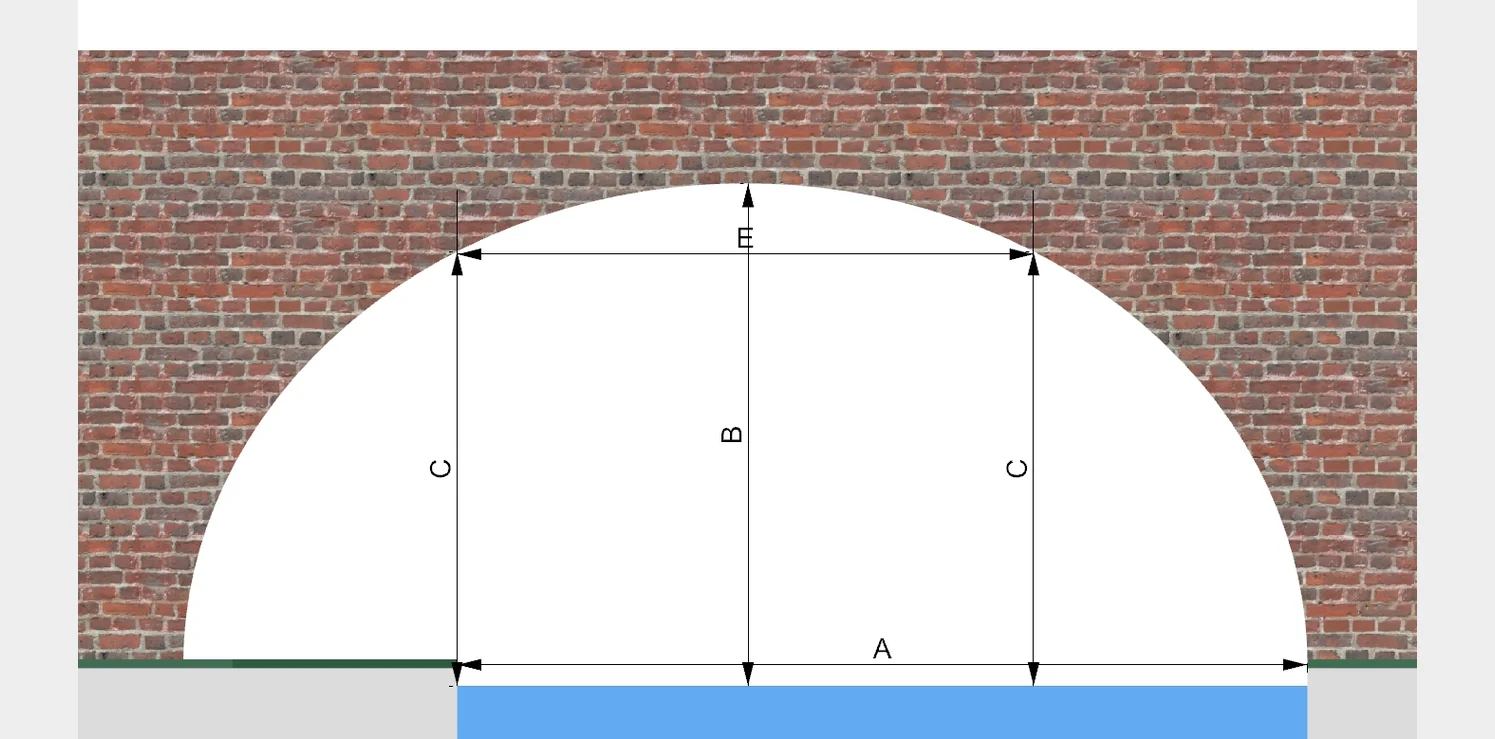 ✎ DIAGRAM SLOT (Alexio) · bridge aperture vs pontoon craft: offset towpath arch, cabin top-corner clearance vs deep-hull boat
images/advice/bridge-aperture-air-draft.jpg · 1495×739
This is exactly the envelope our Navigator floating home format is designed around: a fixed 3.21 m beam with a gabled roof profile shaped for offset bridge arches. The dimensions are chosen to give a genuinely strong chance of fitting the wide-beam network, and the beam sits under the Canal & River Trust's current 3.24 m surcharge threshold. With an electric outboard or fin drive added, a strong case can be made for a compliant, licensable navigable craft, which is normally the route that avoids needing planning permission for the home itself. Larger Terrace-format homes can still meet navigable dimensions on bigger rivers and estuaries where the governing authority's envelope allows.
If you are building on one of our modular pontoon bases instead, the same discipline applies: confirm the beam against your locks, and make sure whatever cabin you build keeps its top corners inside the bridge profile.
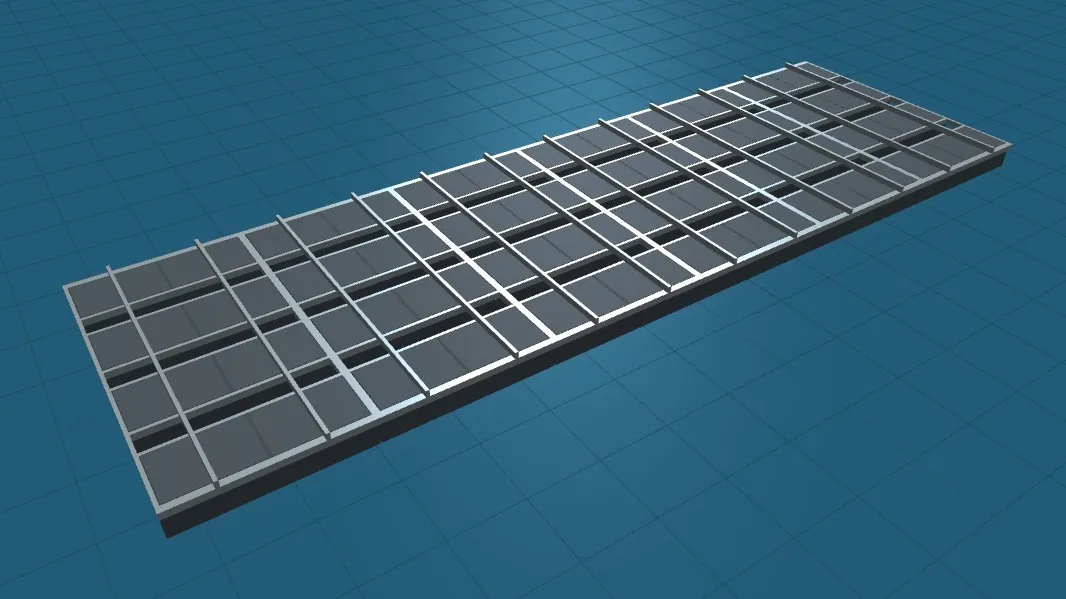
Route 2: the static floating home
If your structure is not realistically navigable, whether too wide or too high for the local network, or on a lake with no navigation to connect to, the vessel route is closed, and the project should be planned as what it is: a home that floats. In practice that means:
- Local-authority planning permission is likely to be in play, for the residential use of the mooring or water, and potentially for the structure itself. Some moorings and marinas already hold residential planning consent, which is by far the easiest path: you inherit the site's permission rather than seeking your own. Consented residential moorings are in short supply, which is worth knowing before you buy a structure with nowhere consented to put it.
- Residential build standards: Building Regulations are written for buildings on land, and how they apply on water is genuinely grey; but consented floating-home schemes are typically expected to be built to residential standards regardless (insulation thickness, energy performance, means of escape), because planners, insurers and lenders all ask the same questions.
- Flood-risk policy is the quiet constraint: national planning policy treats homes as a “more vulnerable” use, and open water often sits in the highest flood-risk zones on paper, ironically, since a floating home rises with the water. Schemes on enclosed lakes and still waterbodies generally face fewer flood-policy objections than schemes on rivers. Expect this to shape what a planning officer says before anything else does.
None of this makes static projects impossible; consented floating-home developments exist and more are coming. But it makes the sequencing critical: secure the site's status before committing to the structure.
The third thing: mooring consent
Whichever route your craft takes, it needs somewhere lawful to be, and mooring consent is its own conversation with its own landlord:
- Marina or mooring-site berth: the simplest option; you take a berth on the operator's terms. If you intend to live aboard, ask specifically about residential status. Many berths are leisure-only on paper, and a marina with formal residential consent is a different (and scarcer) thing.
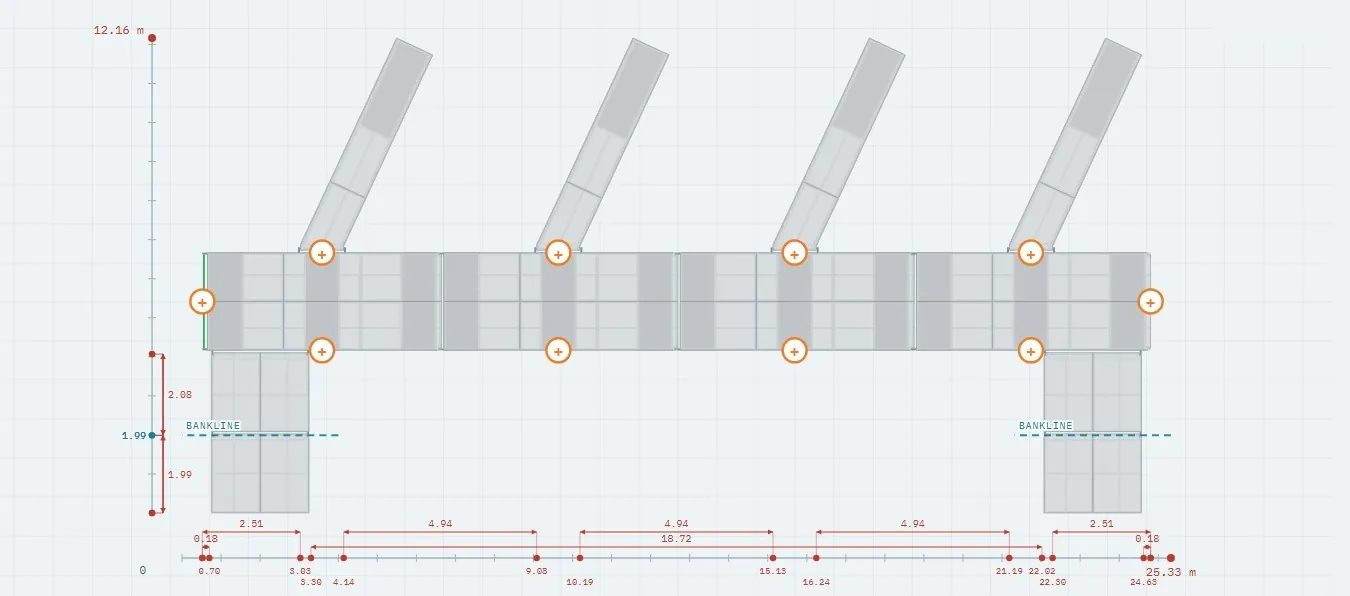
- End-of-garden mooring (CRT water): generally available where the boat is associated with a single residential property, but it is a paid agreement with the Trust, priced off local mooring benchmarks (typically with a substantial discount), not an automatic right that comes with the garden. It is not offered on some waterways, and full-time residential use at the end of the garden can raise the planning question again. We build the pontoons, walkways and access stairs for exactly these sites; see moorings and marinas.
- Environment Agency waterways (Thames, Anglian): boats are registered with the EA rather than licensed with CRT, with annual charges. Riverbank moorings still involve the landowner, and the same residential-use planning question applies.
- Private lakes: the landowner's agreement is everything, and with no navigation authority in the picture, the local planning authority is the body most likely to have a view.
- Coastal, estuary and harbour sites: harbour authorities, berth agreements and sometimes Crown Estate seabed interests replace the inland framework. In our experience the day-to-day regime is often less prescriptive than the inland one, but it is also more site-specific; ask the harbour master early.
Scotland is a separate system again (Scottish Canals, different planning framework); this guide describes England and Wales.
How this maps onto a real project
| Wide-beam liveaboard for the canal network | Route 1. BSS + insurance + CRT licence; beam ≤3.21 m and bridge-checked roof; electric drive earns 25% off. Secure a home mooring. |
| Floating home on a lake or broad | Route 2. Landowner + planning conversation first; build to residential standards; enclosed water eases flood policy. |
| Big floating home on a large river/estuary | Either. Larger navigable dimensions may keep Route 1 open under the local authority's navigation rules; otherwise Route 2 with the harbour or navigation body alongside. |
| Boat at the end of the garden | Route 1 craft + CRT end-of-garden agreement (or landowner/EA equivalent); planning question only if it becomes a full-time residence. |
✎ [Optional image slot: Navigator render or real build beside a bridge or lock for scale: images/advice/navigator-bridge-clearance.jpg]
Common questions
Do I need planning permission for a houseboat in the UK?
Often not, if it is a genuinely navigable vessel with a boat licence on a lawful mooring; day-to-day it is treated as a boat, not a building. Planning is more likely to be involved when the structure is not realistically navigable, when a mooring's use changes (for example to residential), or when the number of boats at a site intensifies. The local planning authority decides each case on its facts, so confirm your position for your specific site.
What do I need to licence a houseboat with the Canal & River Trust?
Three things: a Boat Safety Scheme (BSS) certificate if the boat has an engine, heating, gas, electrics or similar systems; insurance; and the licence itself, priced on the boat's length and beam and whether it has a home mooring. Wider beams and boats without a home mooring pay surcharges, and electrically propelled boats currently get a 25% discount.
What size boat fits through wide-beam canals?
Wide-beam locks are nominally around 14 ft (4.27 m) wide, but bridges are usually the tighter constraint and the towpath side often cuts into the arch. Beams up to about 3.2 m have the best chance across the wide-beam network; larger rivers and estuaries take bigger craft. Air draft matters too: pontoon-based craft sit higher than deep-hulled boats, so check the top corners of your cabin against your local bridges.
Can I moor a boat at the end of my garden?
On Canal & River Trust water, generally yes for a boat associated with a single residential property, but it is not automatic: CRT charges for an end-of-garden mooring agreement (typically benchmarked against local mooring rates with a discount), it is not available on some waterways, and living aboard there full-time can raise a separate planning question. On rivers and private water the landowner and the navigation authority for that water are the starting points.
Is it different on lakes, rivers and the coast?
Yes. Canal & River Trust rules cover their canal and river network; the Environment Agency runs registration schemes on the Thames and Anglian waterways; private lakes need the landowner's agreement and often local-authority involvement because there is no navigation-licensing route at all; and coastal or estuary sites involve harbour authorities and berth agreements, sometimes with Crown Estate interests in the seabed. The pattern of who to ask changes with the water.
Where we fit in
We design and fabricate the floating platforms this guide keeps circling: DIY houseboat and floating home kits shaped around the navigable envelope, modular pontoon bases for self-build projects, and moorings, gangways and access structures for private and marina sites. We are not planning consultants and this page is not legal advice, but we have watched many of these projects succeed, and we are happy to share how similar builds have approached the process. Talk to the workshop about your site.
More advice guides
- VAT on Houseboats, Kits & Pontoons: the two zero rates, what they actually cover, and the honest position on kits
- Pontoon Hulls vs Steel vs Concrete: an honest comparison of what your home floats on
- Self-Build Compliance: RCR, BSS & Build Standards: certification, safety schemes and build standards for self-builds
Sources & further reading
- Canal & River Trust: licensing your boat (fees, BSS and insurance requirements, and the current fee calculator)
- Canal & River Trust: waterway dimensions
- Canal & River Trust: mooring FAQs (including end-of-garden moorings)
- GOV.UK: Environment Agency boat registration (Thames and Anglian waterways)
Figures quoted (licence surcharges, discounts, dimensions) are as published for the 2026/27 licence year and were checked in September 2026; they change annually, so treat the authorities' own pages as definitive.